
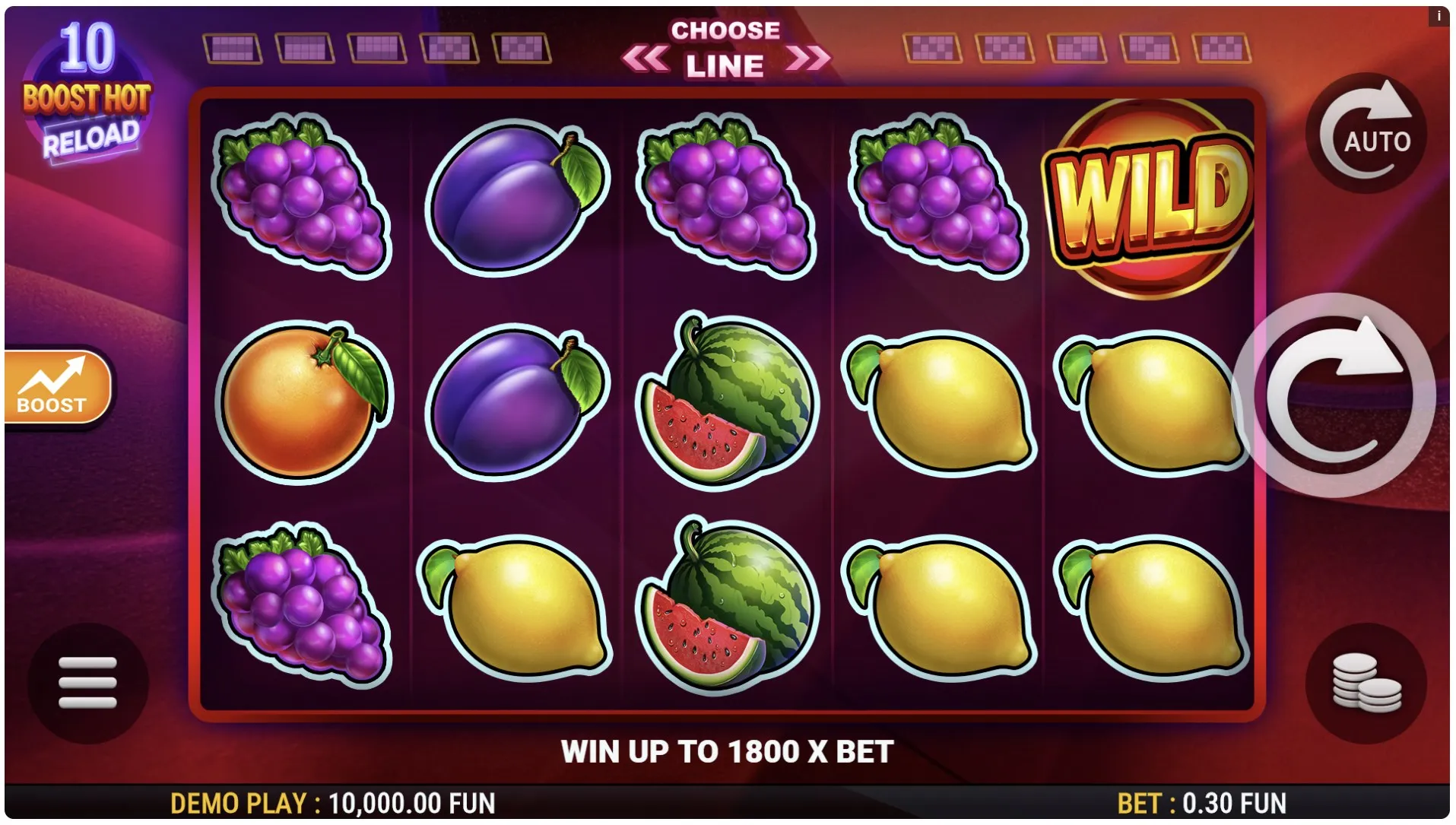
Start with the game that actually loads
A bright card makes a game easy to recognise, but its label is not a complete description. On highrollthrill, the navigation names More Energy Coins: Hold and Win, while the second game page is titled Starlight Princess 1000. That difference is a reason to read the loaded screen before assuming which features you are about to see.
Keep three things separate: the website link, the page heading and the title inside the game. A familiar picture does not resolve a disagreement between them. Open the information panel within the game and look for its name there. If the panel is missing or unreadable, leave the question open rather than importing rules from a similarly named title.
For a September 2026 visit, this is a useful way to approach social casino rules without relying on an old memory. The page can introduce the entertainment, while the embedded game explains its own controls. Neither a large number in a title nor an exciting animation tells you how frequently a feature appears or what any later round will do.
Turn a feature name into a short checklist
Hold and Win describes a family of feature names, not one universal instruction sheet. Look for the conditions that begin the feature, what stays on the screen and what ends it. A word such as Power may describe a particular symbol or action. Its meaning needs the explanation for that exact game, not a guess based on the artwork.
- Read the title and open the game’s own information panel.
- Find the starting condition and any symbols named in it.
- Check how the feature continues and when it finishes.
- Return to the normal screen and identify the controls again.
Compare questions, not promises
The table below is a reading aid rather than a feature specification. It keeps similar sounding words from becoming assumed facts. You can use it while looking at an information panel, then close the panel before taking another action. There is no need to keep playing until an example appears just to make your notes feel complete.
| Wording | Question to ask |
|---|---|
| Hold | Which symbols remain, and for how long? |
| Multiplier | Which displayed amount does it affect? |
| Extra round | What starts it and what ends it? |
Reading social casino rules also means noticing the limits of an explanation. A symbol table can describe an outcome without predicting the next one. A past result is an example of what appeared, not a schedule. If two descriptions conflict, record the wording and the game title rather than treating the more dramatic description as correct.
Keep virtual credits in their own context
The site’s existing information describes play with virtual credits and no actual prizes. Read each counter by its label: a balance, a round amount and a displayed result answer different questions. A celebratory message does not by itself explain the change in the balance. Let the animation settle before comparing the visible figures.
- Keep the unit beside any number you note down.
- Distinguish a round result from the full balance.
- Do not treat virtual totals as a cash value.
A useful note might say which title loaded, which panel you opened and which phrase remained unclear. That is enough to ask a focused question through the site’s contact area. Avoid sending personal details or a full screen capture when a short description will do. You can also simply choose to leave a game whose explanation does not feel clear.
For sharing a discovery, see Social Play with Room to Listen. If the screen changes after a pause, Returning to a Browser Game Without Guesswork follows the next checks. Both build on the same habit: describe what is visible before making an assumption.
Author’s opinion
I prefer social casino rules that let me explain a feature in ordinary words. If I cannot say what starts it and what ends it, I have more reading to do, not a reason to press the button again. For me, understanding a small detail is a better finish to a session than chasing a dramatic example.